North zone
Colonial towns, a volcanic coast and the green the south lacks. La Orotava, Puerto de la Cruz, Icod de los Vinos and Garachico, in a single logical route.
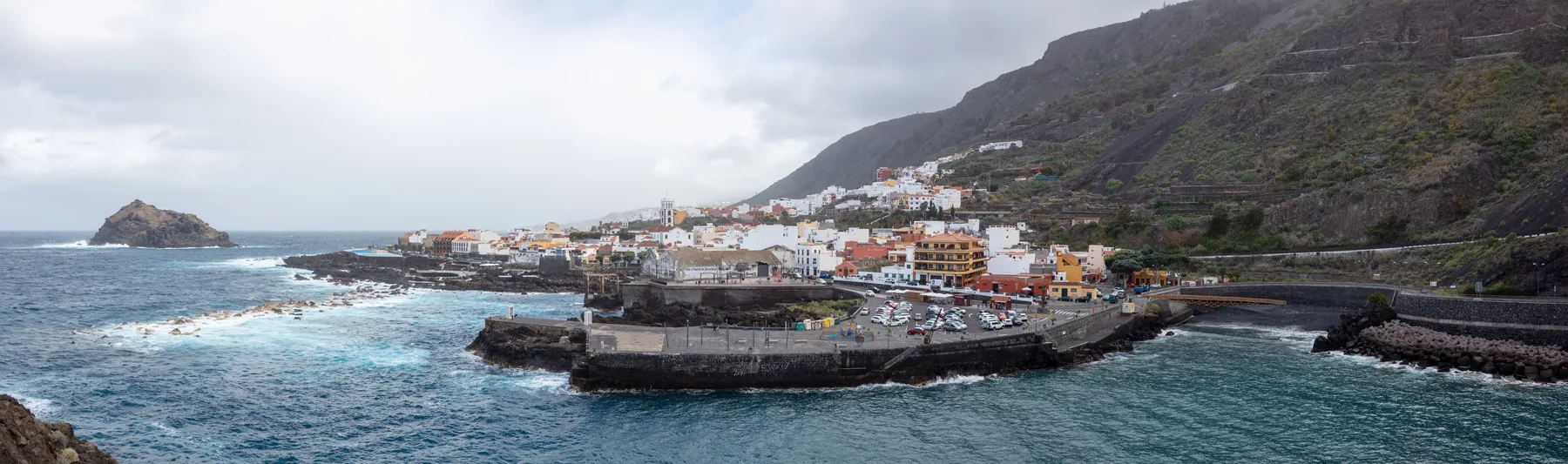
The north grew up around trade and farming, not beaches — which is why it keeps old towns, centuries-old tea-wood balconies and wineries instead of seafront promenades. It is also the greenest face of the island: the trade winds hit here first, bringing more cloud and more rain, so everything grows more. The logic of visiting it is simple: one road, four stops, no retracing your steps.
What to visit
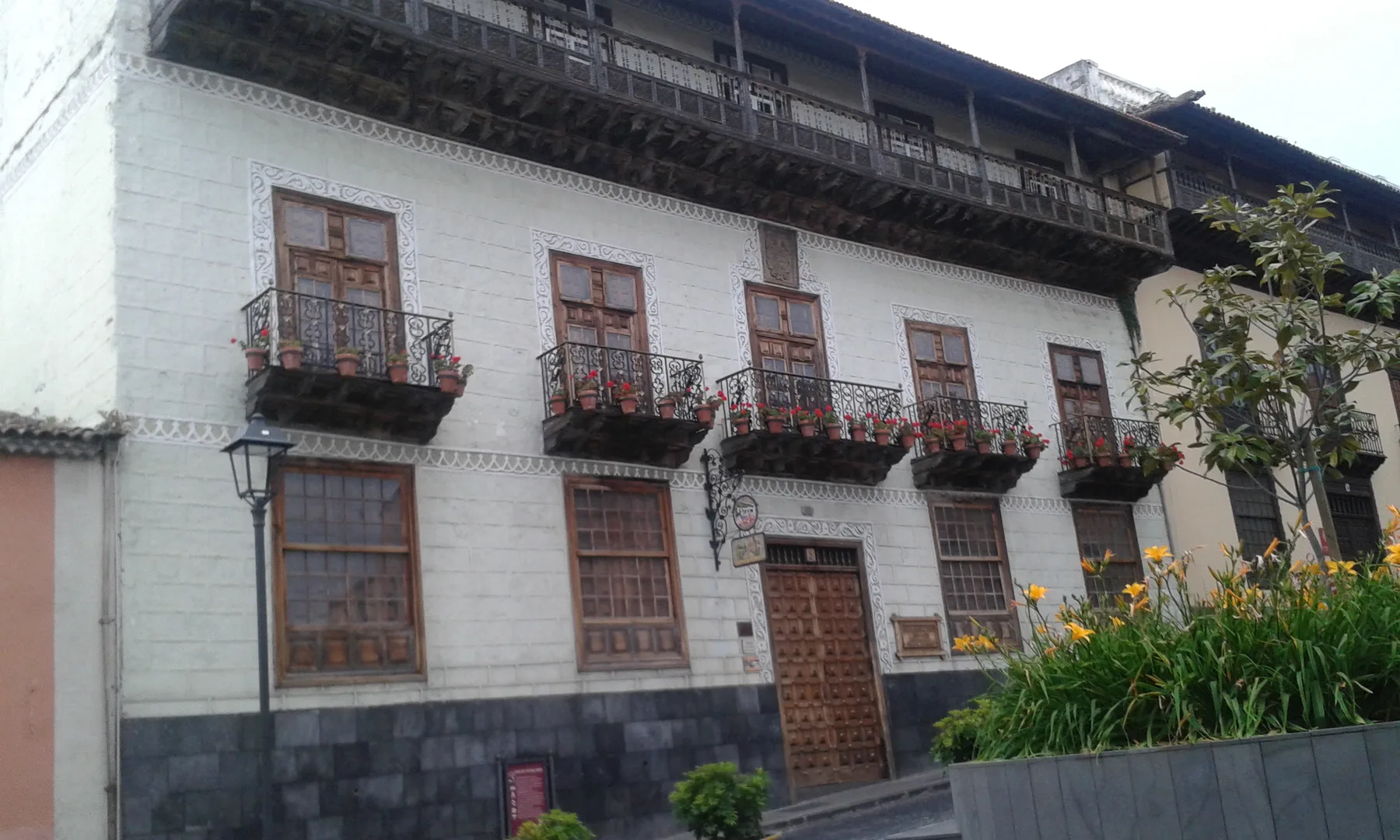
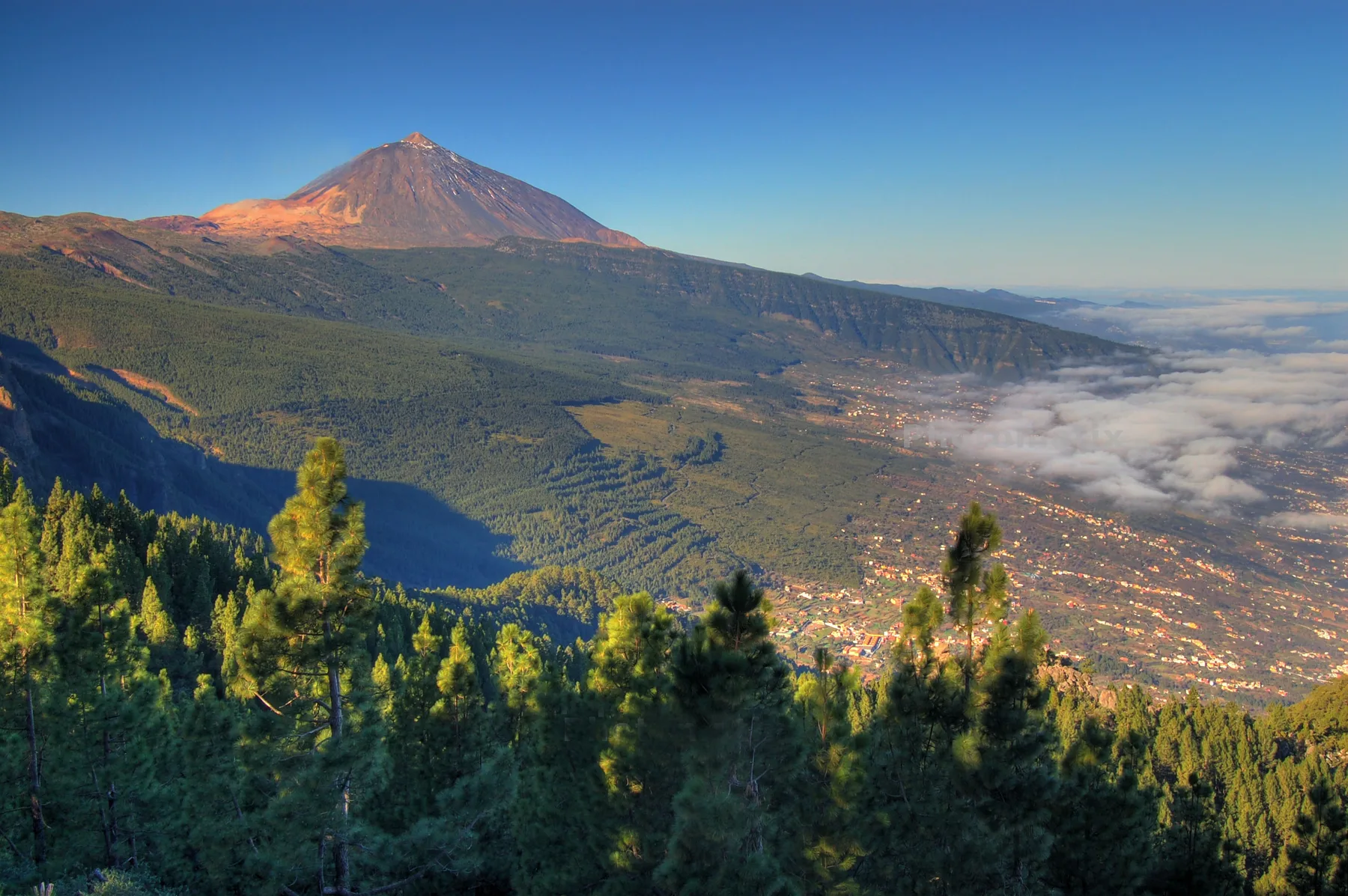
Casa de los Balcones, cobbled streets and the best viewpoint over the valley with Teide in the background. At Corpus Christi (variable date, May–June) the streets are covered with carpets of flowers and coloured volcanic earth.
La Orotava guide →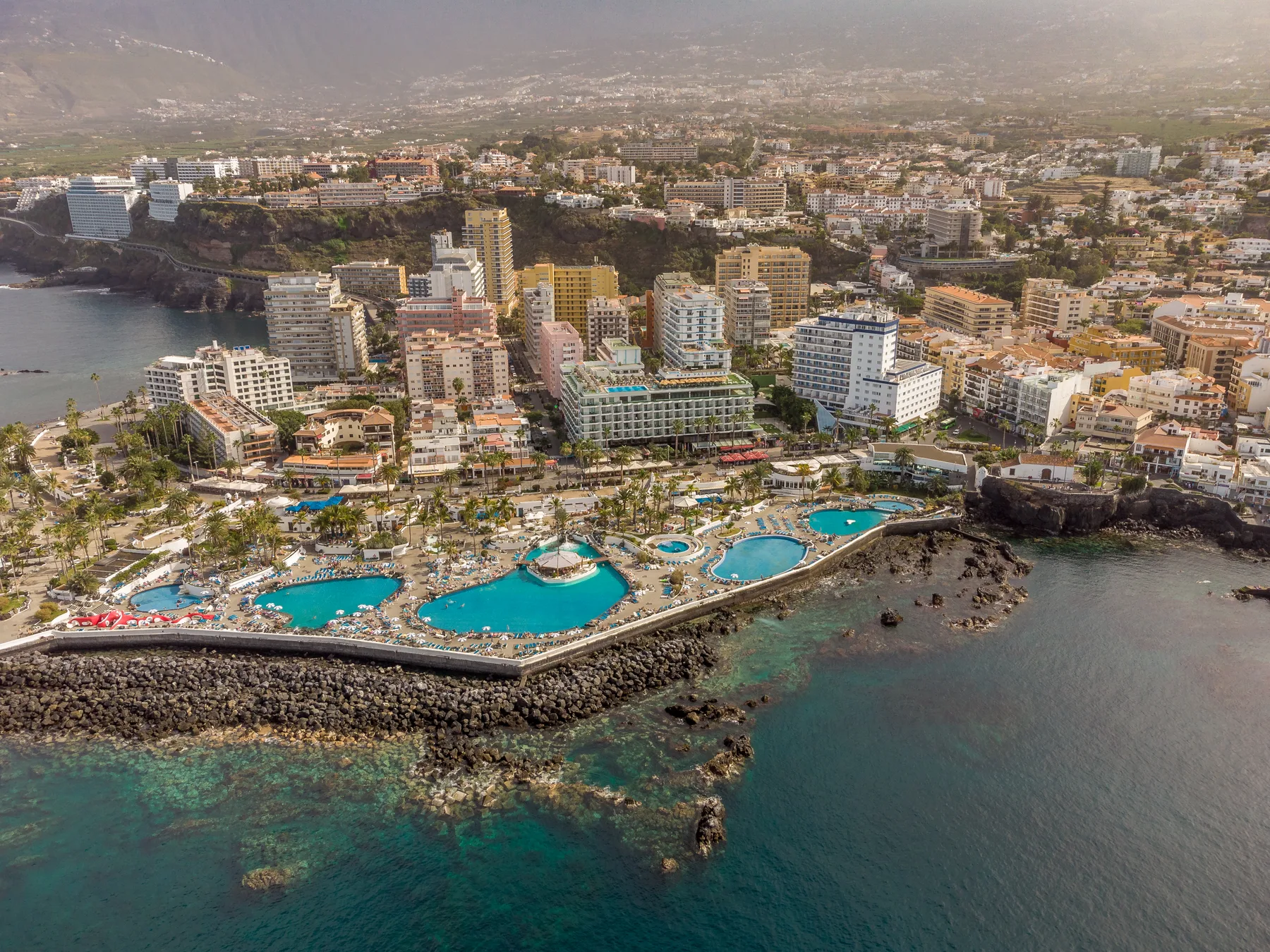
Tenerife's first tourist destination, reinvented in 1977 by César Manrique with Lago Martiánez — seawater pools on volcanic rock, with no need for a sandy beach. Loro Parque is also here, with a free train from the centre.
Puerto de la Cruz guide →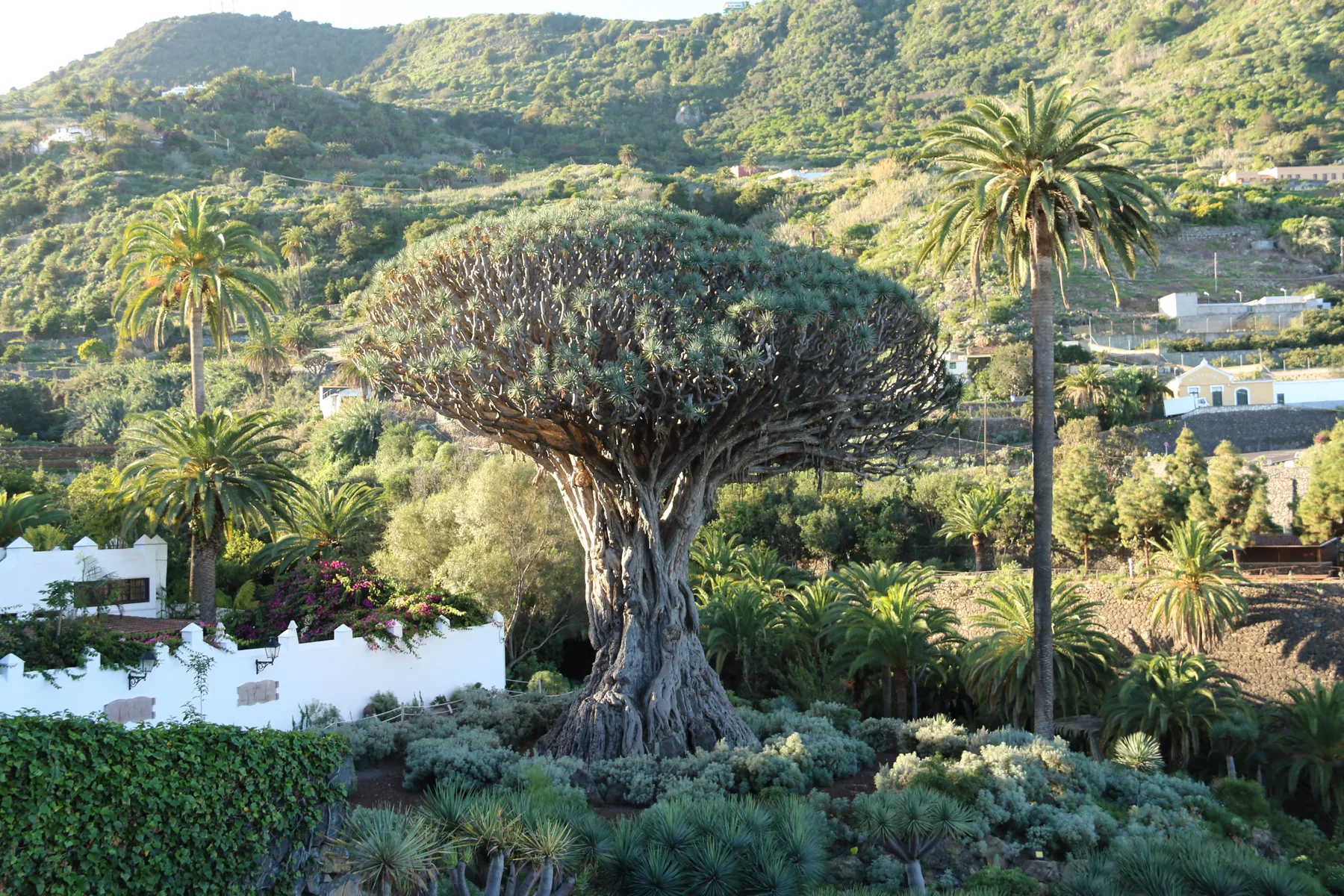
The Drago Milenario dominates the town — a tree with no growth rings, so nobody knows its exact age. On the outskirts is the entrance to the Cueva del Viento, the longest volcanic tube in the European Union.
Icod de los Vinos guide →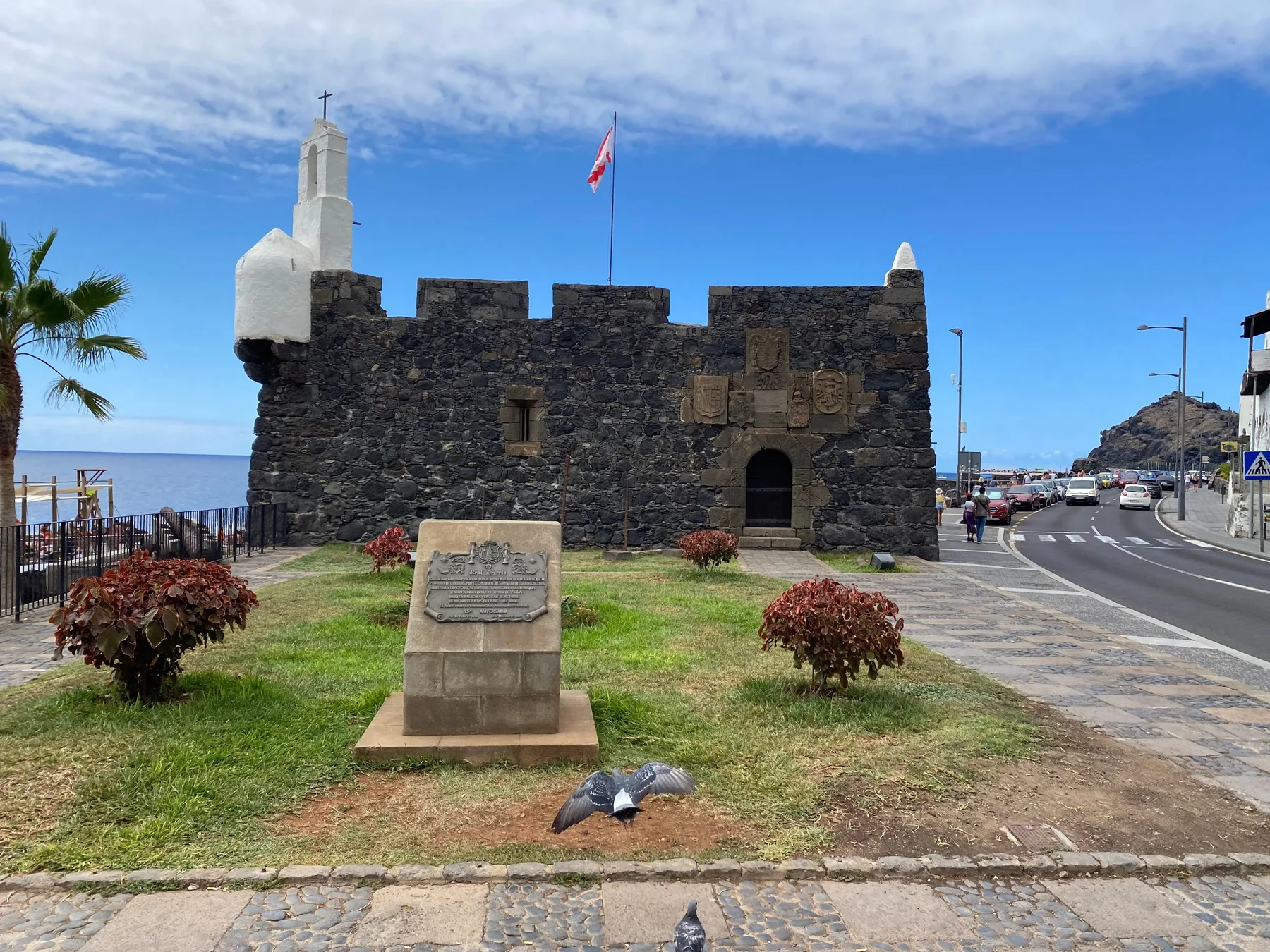
In 1706 lava from the Trevejo volcano buried the island's main port. The rock that cooled in the sea became El Caletón, the natural pools that are today the town's postcard.
Garachico guide →How to organise it
Frequently asked questions
With 1 full day you can see La Orotava, Puerto de la Cruz and Icod de los Vinos without rushing. With 2 days you add Garachico at an easy pace, with time to swim at El Caletón.
The north is greener and has more local character, but gets more cloud and rain. The south has more guaranteed sun and the widest tourist offer. Many travellers combine both on the same trip — see routes by area →.
Yes, although it is a long day: the distance between Costa Adeje and Puerto de la Cruz is around an hour by car. It is more comfortable if you stay at least one night in the north.
La Orotava and Garachico are the two best-preserved old towns. La Orotava has more monuments; Garachico has more of a small seaside-town atmosphere.
The north combines well with the west — from Garachico to Los Gigantes is a little over half an hour — or with any of the routes by length.
Photographs: La Orotava, Puerto de la Cruz, Icod de los Vinos and Garachico — Creative Commons licence credits in each individual guide.