
Standing, no tour
You try between 3 and 6 wines with a brief explanation from the sommelier, without visiting the vineyard. The quickest and cheapest option, from around €15–20.
Flavours guide · Wine and wineries
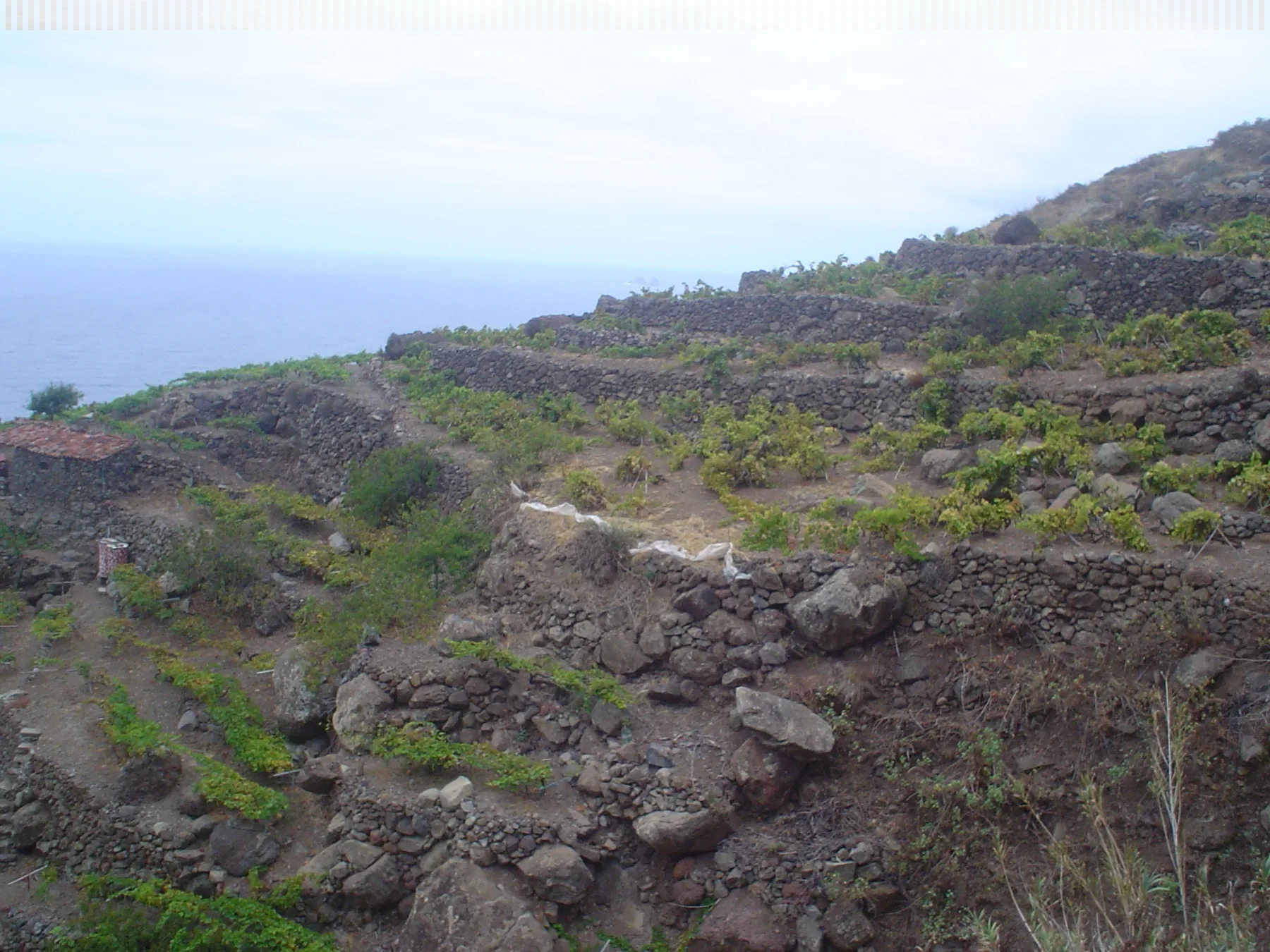
Volcanic soils, centuries-old vines free of phylloxera and five denominations of origin — Tenerife has one of the most distinctive winemaking traditions in Europe, and you can discover it in an afternoon.
Why Tenerife is different
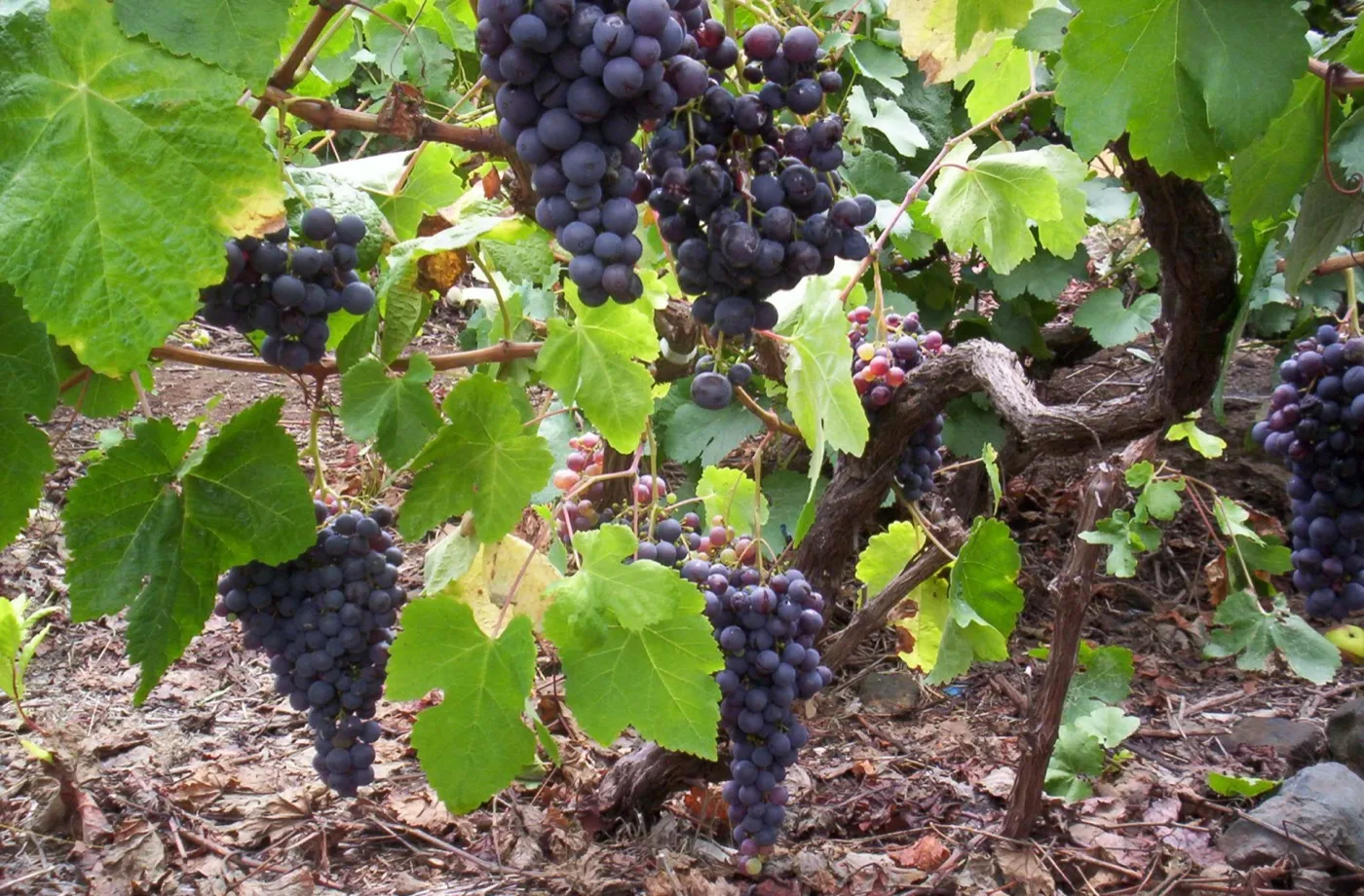
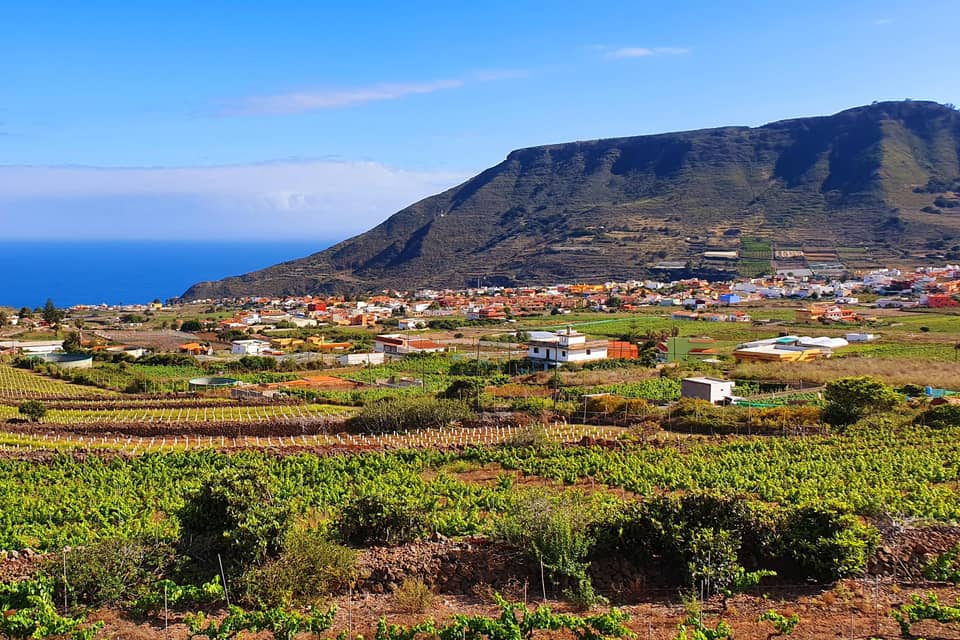
The phylloxera plague devastated the vineyards of much of Europe in the 19th century, but Tenerife's sandy volcanic soil acted as a natural barrier. The island thus preserves some of the few vines in the world planted ungrafted (pie franco) — many of them centuries old — which produce native varieties such as Listán Negro, Listán Blanco and Malvasía.
Tenerife has five Denominations of Origin — Tacoronte-Acentejo, the oldest in the Canary Islands, plus Valle de la Orotava, Ycoden-Daute-Isora, Abona and Valle de Güímar — each with its own character depending on the altitude and orientation of the vineyard.
What you'll find
From a quick tasting to a complete winery route.
The north of Tenerife — Tacoronte, La Orotava, El Sauzal, Icod — has most of the historic wineries and the oldest Denomination of Origin in the Canary Islands. It is the area with the most guided visits and tastings by reservation.
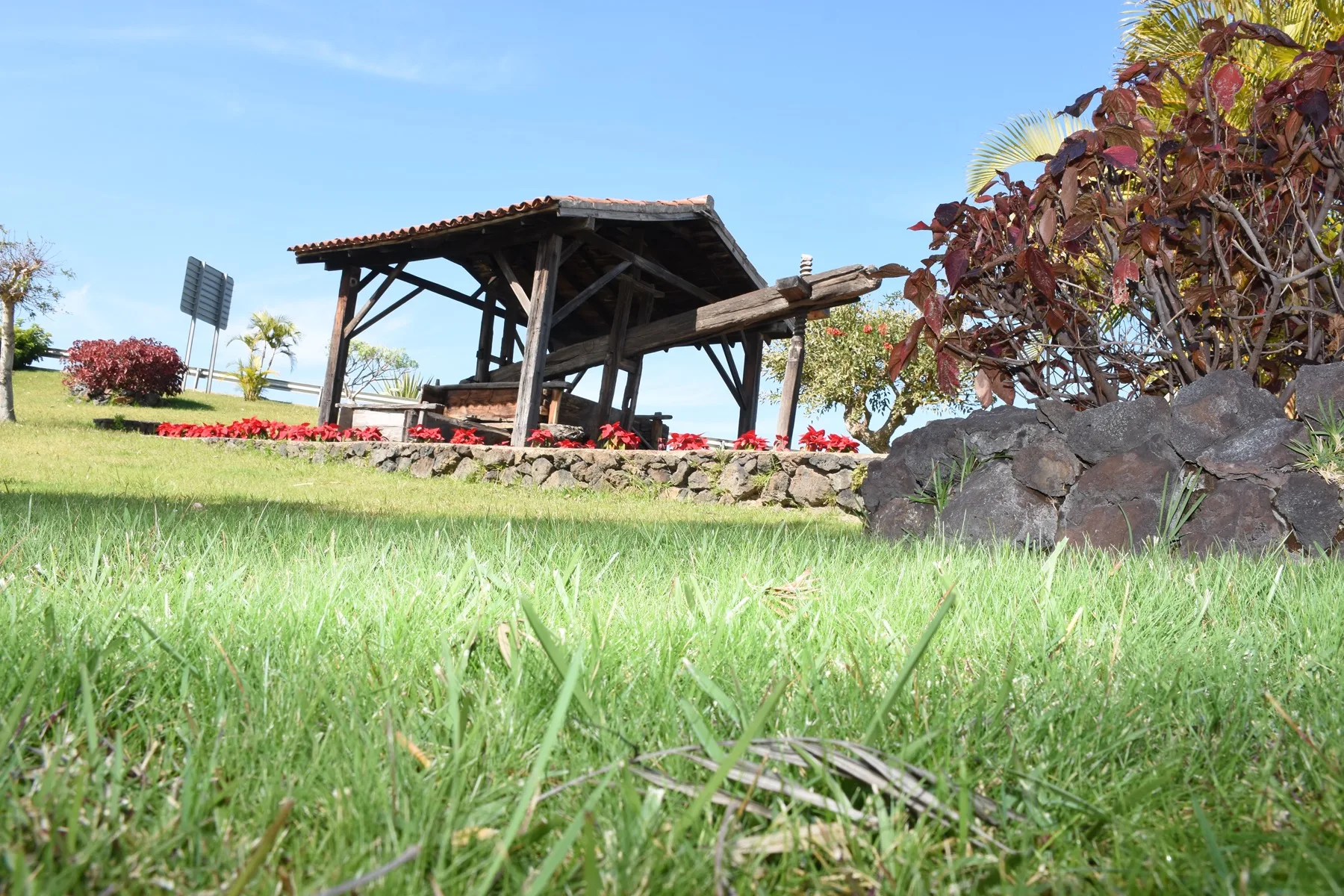
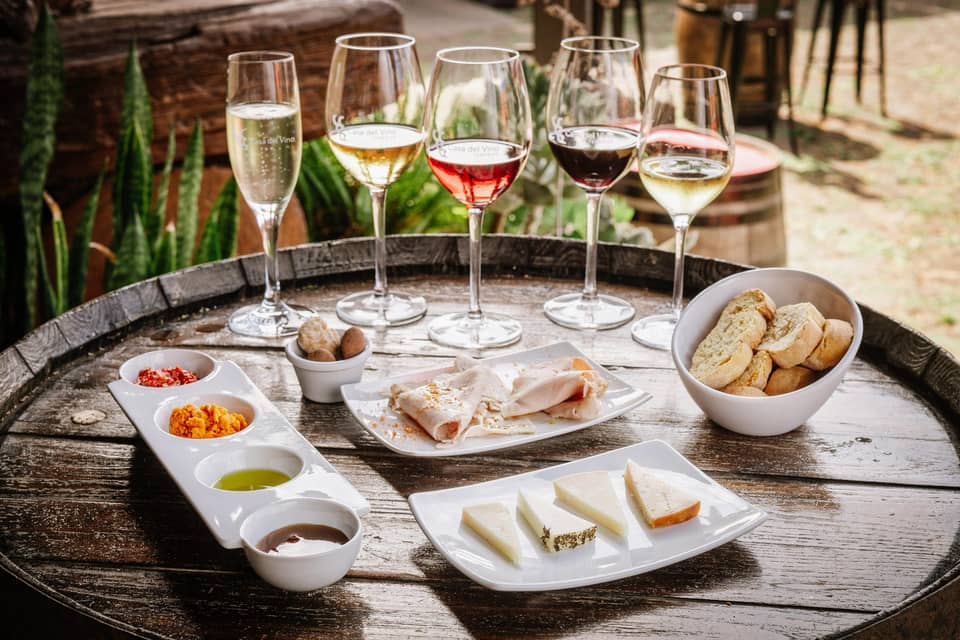
From a standing glass at the winery to tasting menus with Canarian cheeses, mojo sauces and cured meats. Most tastings include between 3 and 6 wines and last between 1 and 2 hours.
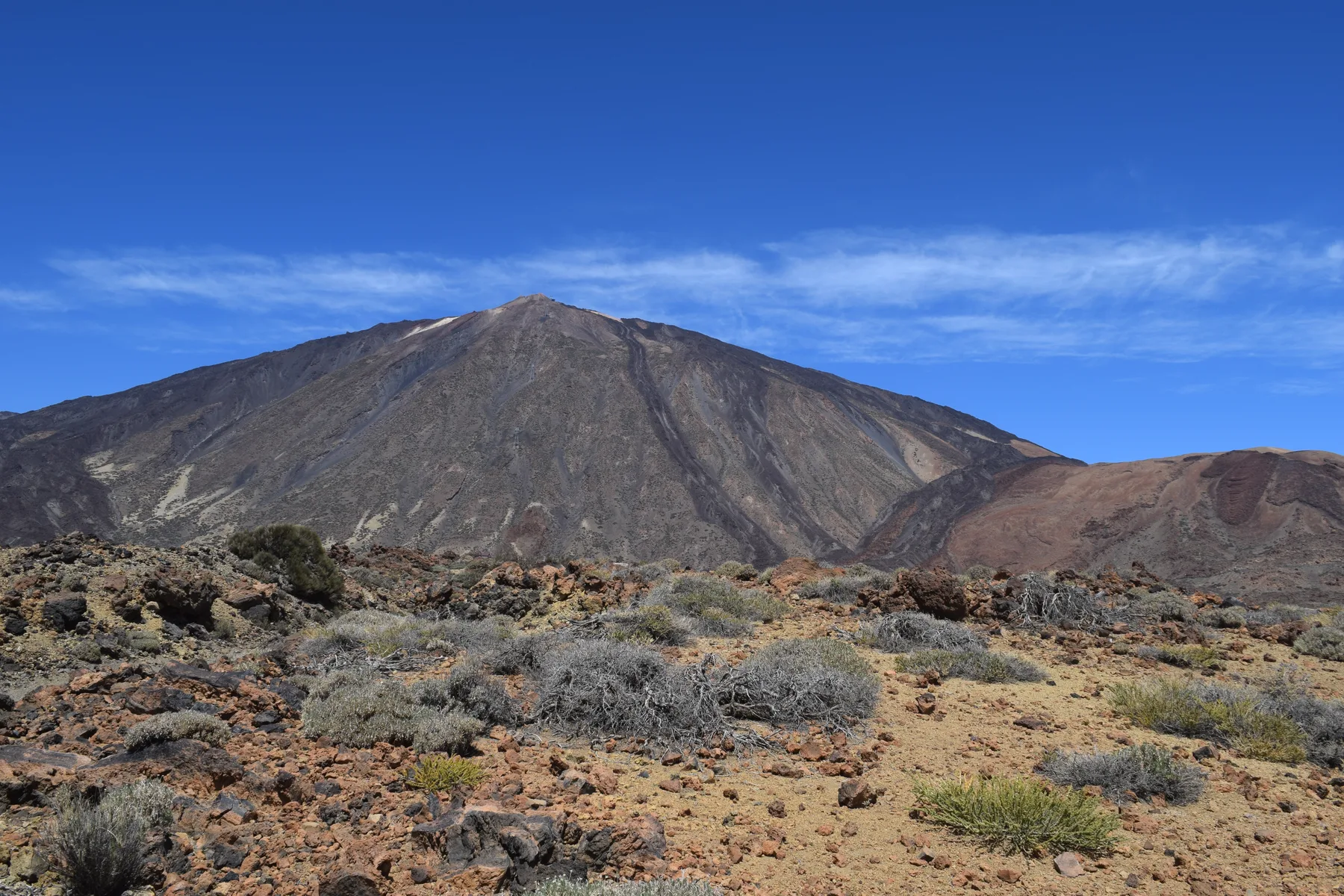
Some wineries combine with an excursion to Teide, a route through a town with history or a full lunch — a way to turn the visit into a half-day plan instead of a simple stop.
Many Tenerife wineries are small family businesses with limited capacity; at weekends and in high season it is best to book several days ahead.
How to organise it
Not all tastings are the same — this is what changes from one to another.
Book online
From the historic north to combined experiences, with verified reviews.
These links are affiliate links: if you book through them, we earn a small commission at no extra cost to you. We only include wineries and operators with verified ratings.
 ★ 4.3 (133)
 ★ 4.8 (42)
 ★ 4.9 (50)
 ★ 4.6 (448)
 ★ 4.8 (99)
 ★ 4.9 (107)
Practical information
Price, duration and what to choose depending on the area.
Simple tastings take around an hour; with a vineyard tour, up to two.
Basic tastings start at around €15–20; tours with food pairing reach €40–65.
Tacoronte-Acentejo, Valle de la Orotava, Ycoden-Daute-Isora, Abona and Valle de Güímar.
Mainly weekends and summer — many wineries have limited capacity.
Some offer mosto (grape juice) so children can join the tasting without alcohol.
Most wineries are outside public transport; many experiences include hotel pick-up.
Before you go
Frequently asked questions
At wineries spread across the island, mainly in the north — Tacoronte, La Orotava, Icod, El Sauzal — although there are also options in the south and in mountain areas such as Vilaflor.
Young Listán Negro reds and Listán Blanco whites are the most common, along with sweet Malvasía and lesser-known varieties such as Vijariego.
Simple standing tastings start at around €15–20 per person; guided visits with food pairing cost around €35–50, and private experiences or those combined with another activity exceed €100.
Yes, the island has five: Tacoronte-Acentejo — the oldest in the Canary Islands —, Valle de la Orotava, Ycoden-Daute-Isora, Abona and Valle de Güímar.
It depends on the winery, but most require a reservation, especially for guided tastings — they are small businesses and capacity is usually limited.
The plague that devastated Europe in the 19th century never took hold in the island's sandy volcanic soil, so many vines are still pie franco, ungrafted — something very rare in the rest of the continent.
Keep exploring
Combine the wine tasting with a guided excursion or discover the rest of Tenerife's flavours and experiences.
Photo of vineyards in Taganana: Beneharo Hdez., Wikimedia Commons (CC BY-SA 3.0) · Photo of the Santa Úrsula wine press: Cristo Yusta, Wikimedia Commons (CC BY-SA 4.0) · Photo of Listán Negro grapes: Pamela Heywood, Wikimedia Commons (CC BY 2.0)