
ES Explore guides
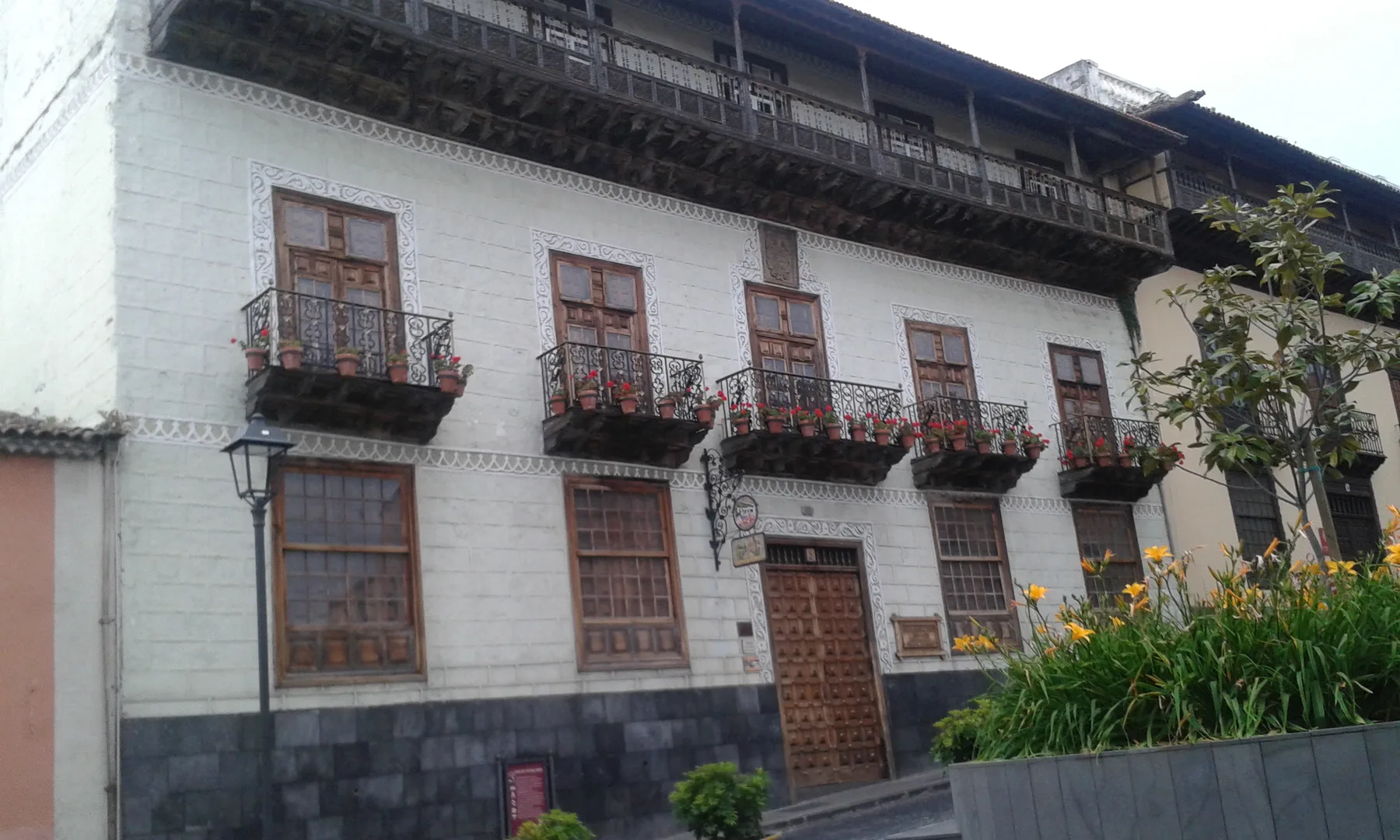
Carved wooden balconies of the Casa de los Balcones in La Orotava

Places guide · Old town and valley

La Orotava: balconies, valley and gardens

A historic centre of colonial mansions and carved wooden balconies, hanging above a valley of banana plantations that opens out to the sea with Teide keeping watch in the background. One of the towns with the most character in the north of Tenerife.

16th c.Origin of the old town
Corpus ChristiCarpets of flowers and sand
Half a dayRecommended time
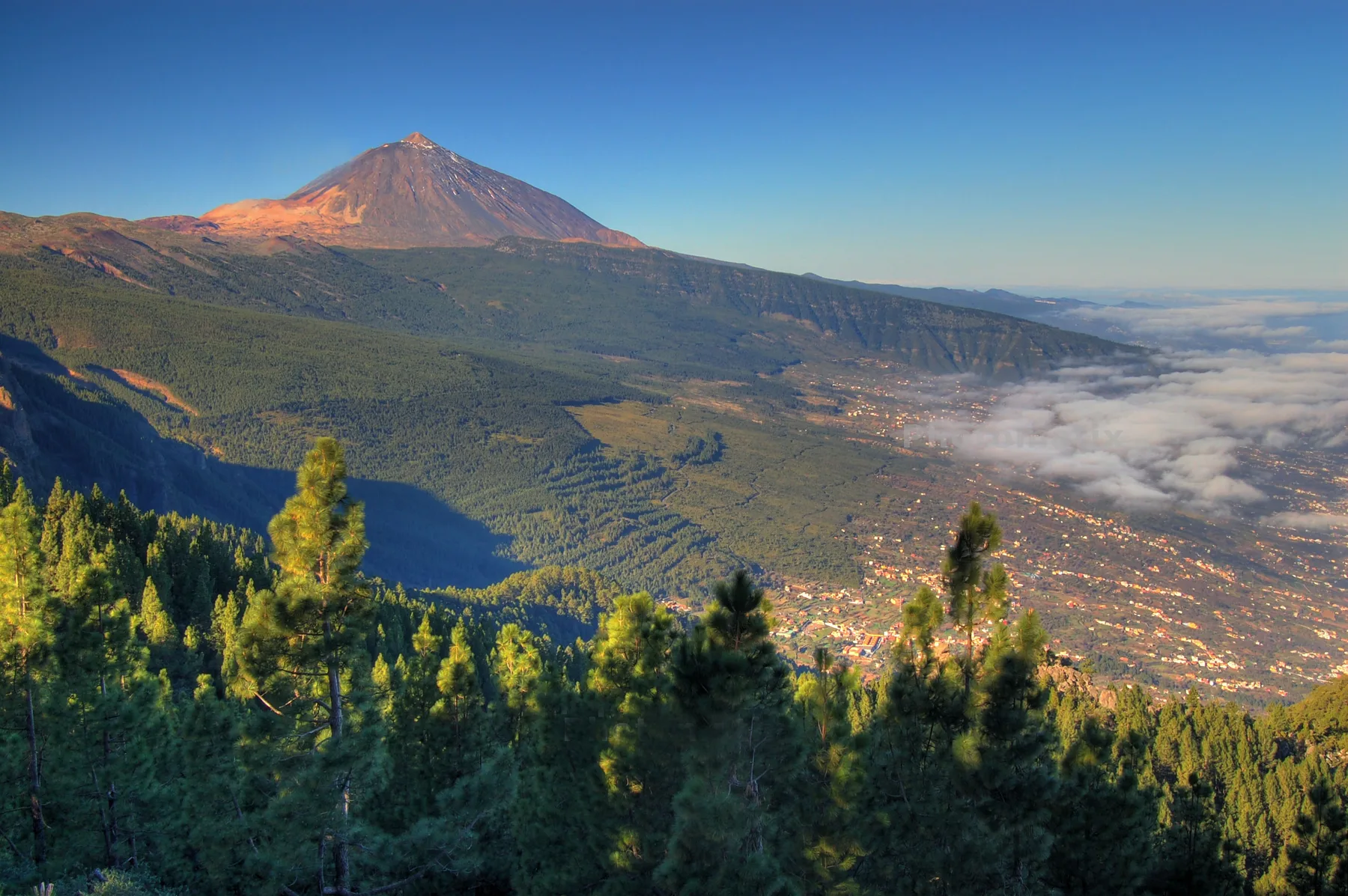
Panoramic view of the La Orotava Valley with Teide in the background

Why it is worth the visit

The natural balcony of the island's most fertile valley.

La Orotava grew in the 16th century on a slope overlooking the valley that bears its name, Tenerife's richest farming district thanks to a humid microclimate that is unusual on the island. That agricultural origin left an old town of stately mansions, built by families who made their fortunes from sugar cane and later wine.

Today the town keeps that stately air almost intact: sloping cobbled streets, carved wooden balconies overlooking the street and gardens hidden behind stone walls. Every June, its residents cover the streets with carpets of flowers and volcanic sand for Corpus Christi, a tradition that draws visitors from all over the island.

What to see

The places that justify the stroll.

The old town is covered on foot, with gentle slopes and good views of the valley.

01Casa de los Balcones in La Orotava

Casa de los Balcones

The town's most photographed image: a 17th-century mansion with a gallery of hand-carved wooden balconies, now converted into a Canarian crafts shop and museum.

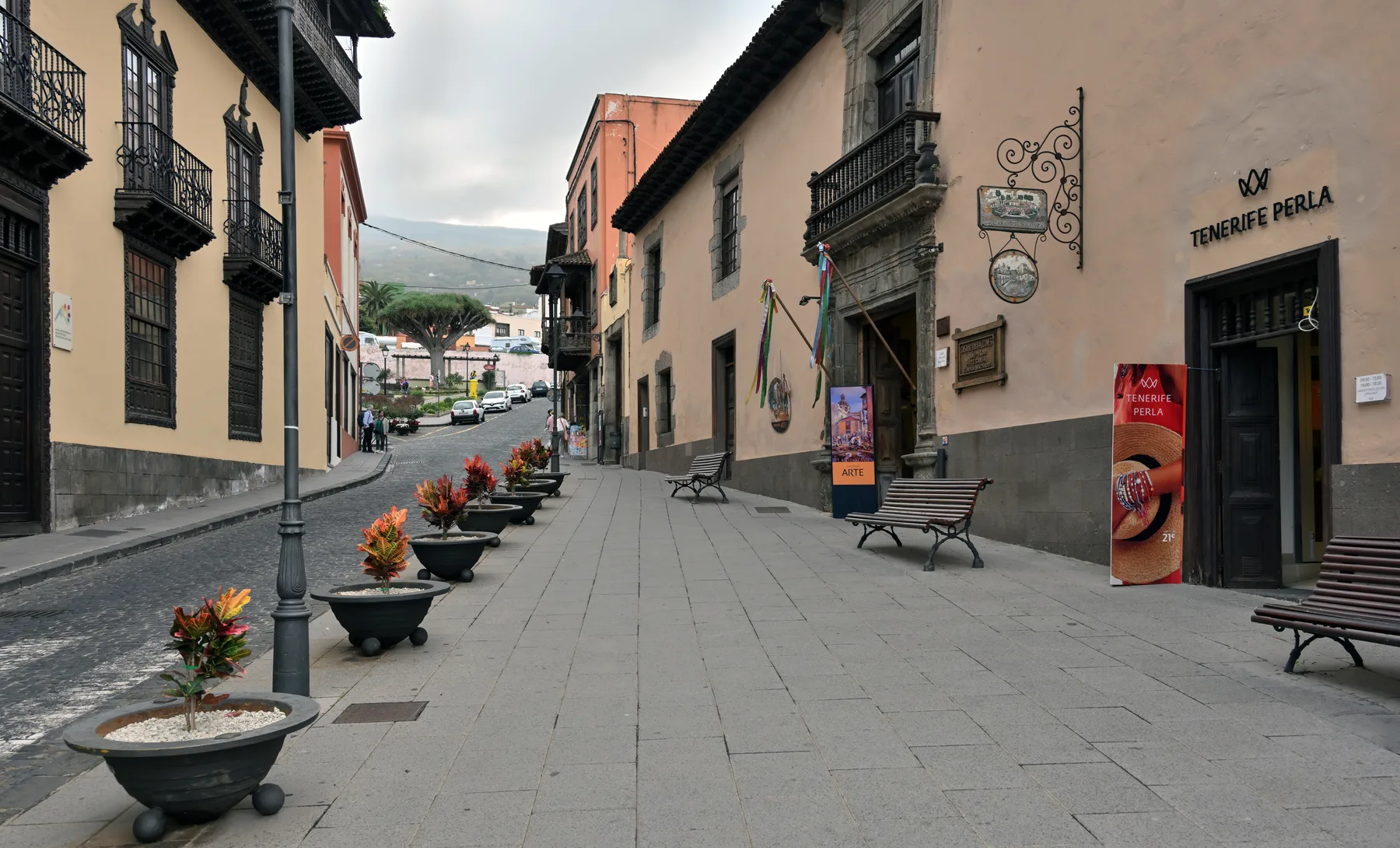
02Calle San Francisco, a cobbled street in La Orotava's old town

Calle San Francisco

The old town's most stately cobbled street, flanked by colonial façades and wooden balconies, gently climbing towards the square of the Church of the Conception.

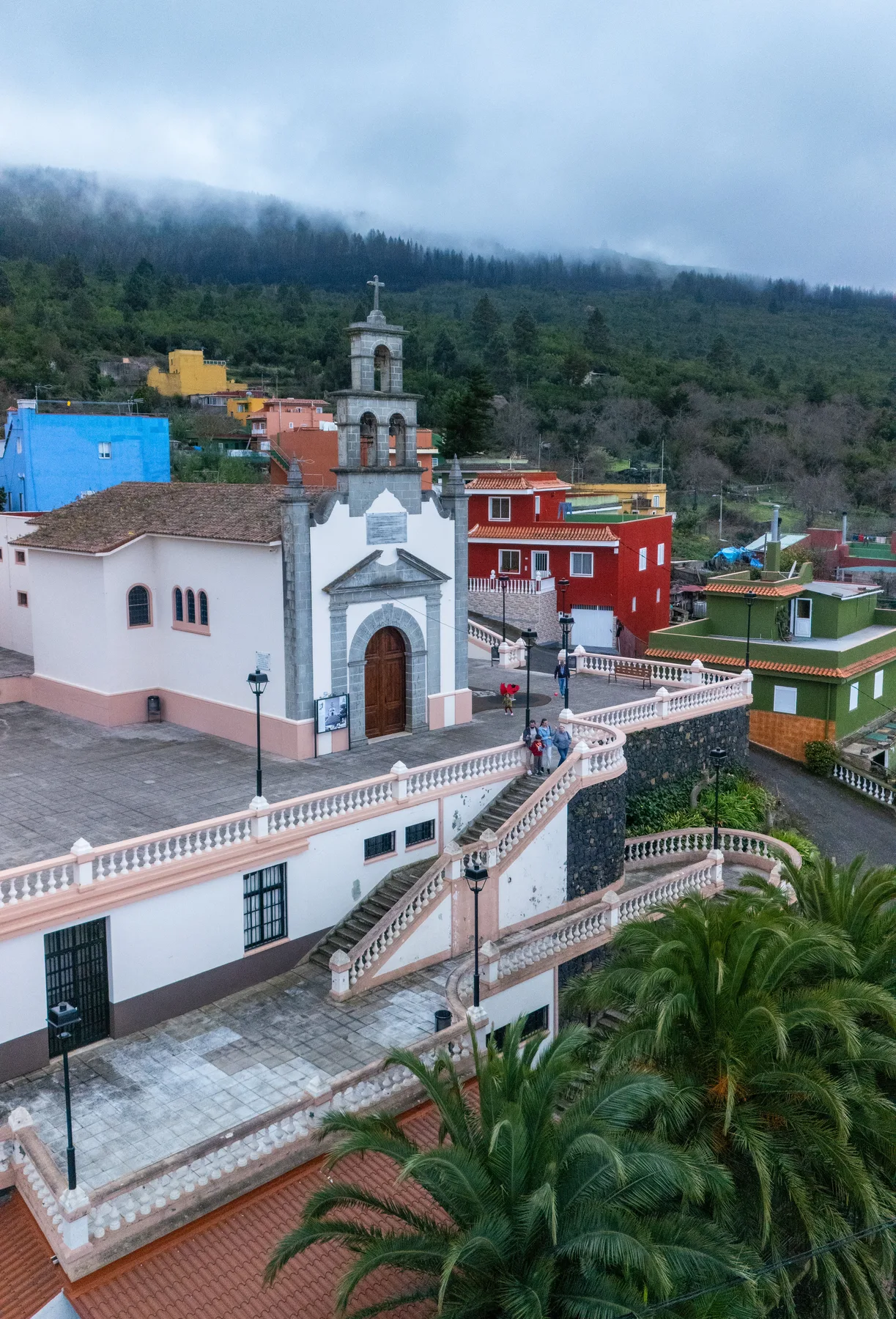
03Church of the Conception in La Orotava

Church of the Conception

The town's main parish church, with a two-towered Baroque façade that dominates the old town's skyline as seen from the valley.

How to organise it

Three ways to experience La Orotava.

From a short stroll through the old town to an in-depth visit if it coincides with Corpus Christi.

01 · HALF A DAY

A walk through the old town

The Casa de los Balcones, Calle San Francisco and the Church of the Conception: the essentials of La Orotava in a couple of hours' stroll.

  • Duration: 2 hours
  • Gentle slopes, comfortable shoes
  • Parking on the edge of the old town
02 · CORPUS CHRISTI

Carpets of flowers

If your visit coincides with June, the streets of the old town are covered with ephemeral carpets of flowers and volcanic sand. It is worth rearranging your trip to see it.

  • Variable date, depends on the liturgical calendar
  • Very busy on those days
  • Arrive early to see the carpets intact
03 · VALLEY AND NORTH

Combine it with the valley and the coast

Puerto de la Cruz and its coast are ten minutes away; Icod de los Vinos and Garachico, less than half an hour along the north.

  • 10 min from Puerto de la Cruz
  • 25 min from Garachico
  • 30 min from Icod de los Vinos

Before you drive

Sloping old town, park on the edge.

The streets in the centre are narrow and cobbled, with a steep gradient in places.

Important

La Orotava's old town has narrow, cobbled, sloping streets that are awkward to drive or park in. The most practical option is to leave the car in a car park on the edge of the old town and walk around the centre.

Practical information

How to get there and when to go.

In the north of the island, next to the valley that gives it its name and minutes from the coast.

GETTING THERE

TF-5 from Santa Cruz

About 35 minutes from Santa Cruz along the northern motorway, or 10 minutes from Puerto de la Cruz.

Church of the Conception in La Orotava
PARKING

On the edge of the old town

The streets in the centre are narrow; there are public car parks next to the square and at the entrances to the old town.

BEST TIME

Morning, with the town quiet

In the morning there is less traffic and better light for photographing the wooden balconies.

VIEWPOINT

Humboldt Viewpoint

On the outskirts of the town, it offers one of the most photographed views of the valley with Teide in the background — the same one that amazed the German naturalist in 1799.

HOW LONG

Half a day

Enough for the old town; allow more time if you also visit Puerto de la Cruz.

Casa de los Balcones in La Orotava
WHERE TO EAT

Restaurants in the old town

The streets near Plaza de la Constitución have traditional Canarian cooking, many in restored historic mansions.

WHAT TO COMBINE

Puerto de la Cruz and its coast

Just ten minutes away, with Playa Jardín and the seafaring old quarter as a natural continuation of the day.

ALSO NEARBY

Garachico and Icod de los Vinos

Less than half an hour away, to continue the route through the north of the island.

Before you set off

Common mistakes to avoid.

Cobbled street in La Orotava's old town
  • Don't look for parking inside the old town: the streets are narrow and sloping.
  • The Casa de los Balcones keeps shop hours; check them if you want to go in, not just photograph the façade.
  • If it coincides with Corpus Christi, arrive early: the carpets are trampled away as people pass.
  • Wear comfortable shoes: the cobbles and the slope are more tiring than they look.
  • Combine the visit with Puerto de la Cruz, just ten minutes away.

Frequently asked questions

The essentials before visiting La Orotava.

What is La Orotava most famous for?

The Casa de los Balcones, with its gallery of hand-carved wood, and the carpets of flowers and volcanic sand that cover the streets every Corpus Christi.

How much time do you need to visit La Orotava?

Half a day is enough to walk the old town at an easy pace.

When is Corpus Christi in La Orotava?

The date changes every year according to the liturgical calendar, usually between late May and June. It is worth checking the exact date before you travel if you want to see the carpets.

What is there near La Orotava?

Puerto de la Cruz and its coast are ten minutes away. Garachico and Icod de los Vinos, along the north, are less than half an hour away.

What is the Humboldt Viewpoint?

A viewpoint on the outskirts of the town with one of the most famous views of the La Orotava valley and Teide in the background, the same one described by the naturalist Alexander von Humboldt in 1799.

Where to eat in La Orotava?

The streets near Plaza de la Constitución have the greatest concentration of traditional Canarian restaurants, several housed in restored historic mansions.

La Orotava valley with Teide in the background

Next stop

The old town that looks at the valley and Teide at once.

La Orotava sums up the north of Tenerife in a single walk: stately architecture, a fertile valley and the volcano always present on the horizon.

Photo of the Casa de los Balcones: Axel Cotón Gutiérrez, Wikimedia Commons (CC BY-SA 4.0) · Photo of Calle San Francisco: Cayambe, Wikimedia Commons (CC BY-SA 4.0)