
Book in advance
Places on guided excursions are limited and vary by operator — it is best to book days ahead, especially in high season.
Places guide · Stargazing tourism
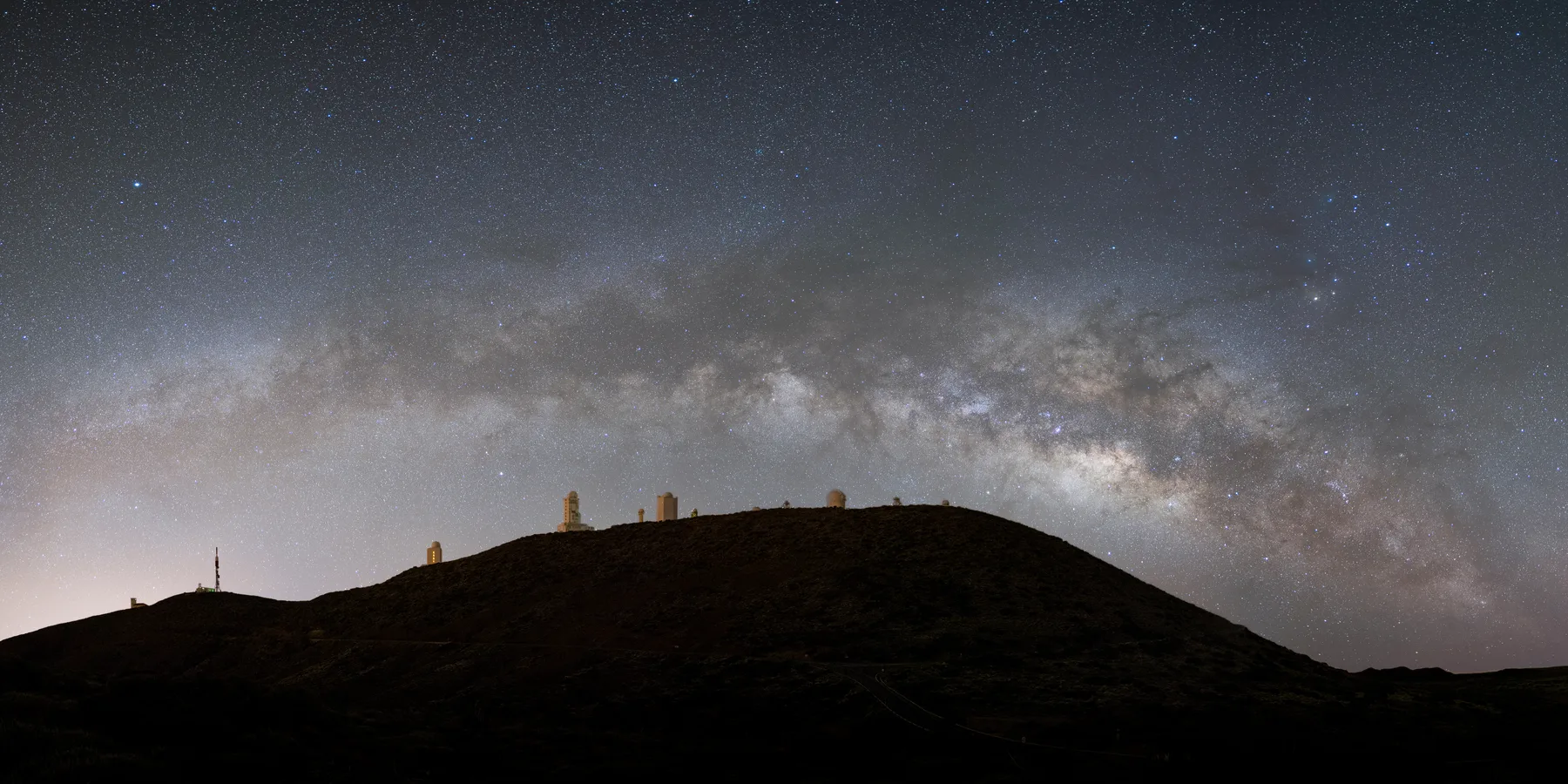
Above the sea of clouds, at more than 2,000 metres, Teide National Park is a Starlight Reserve and holds one of the best-protected night skies in Europe.
Why here
Since 1988, the Sky Law has protected the astronomical quality of the Canary Islands' observatories — it was the first regulation on the planet designed expressly to curb light pollution, and it still governs lighting, air routes and even radio emissions in the area. The result is a dark, clean sky with very few rivals in Europe: Teide and the Cumbres de Tenerife form a Starlight Reserve, and the park itself is also certified as a Starlight Destination.
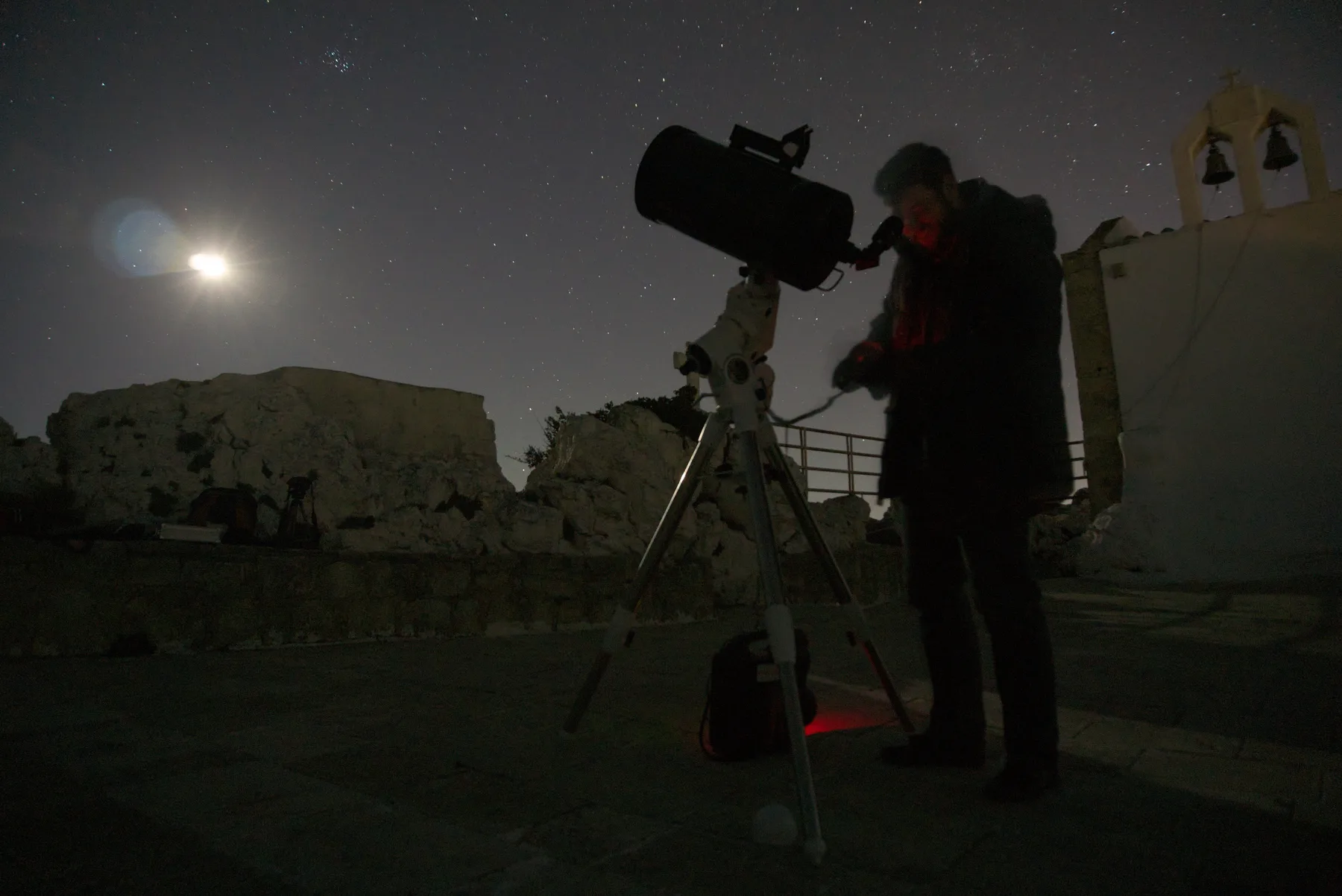
They leave at dusk and last between two and five hours, depending on the excursion — the exact time varies each day because it depends on sunset. A guide explains the visible constellations and lets you look through professional telescopes for about 45–60 minutes of observation.
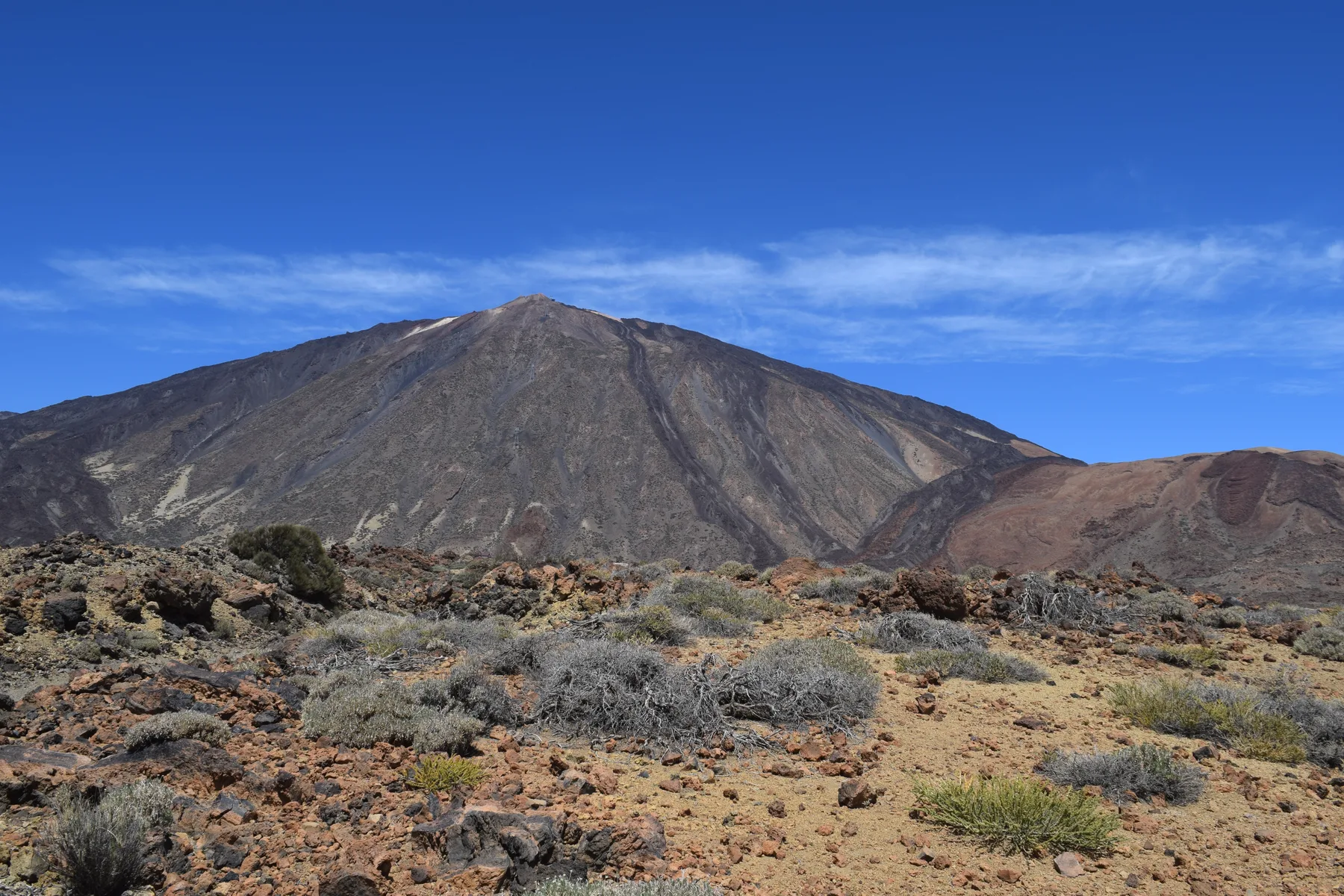
The National Park is above 2,000 metres, above the sea of clouds that usually covers the island — which leaves the sky clear of humidity and much of the coast's light pollution. Together with the Cumbres de Tenerife, it forms the Starlight Reserve.
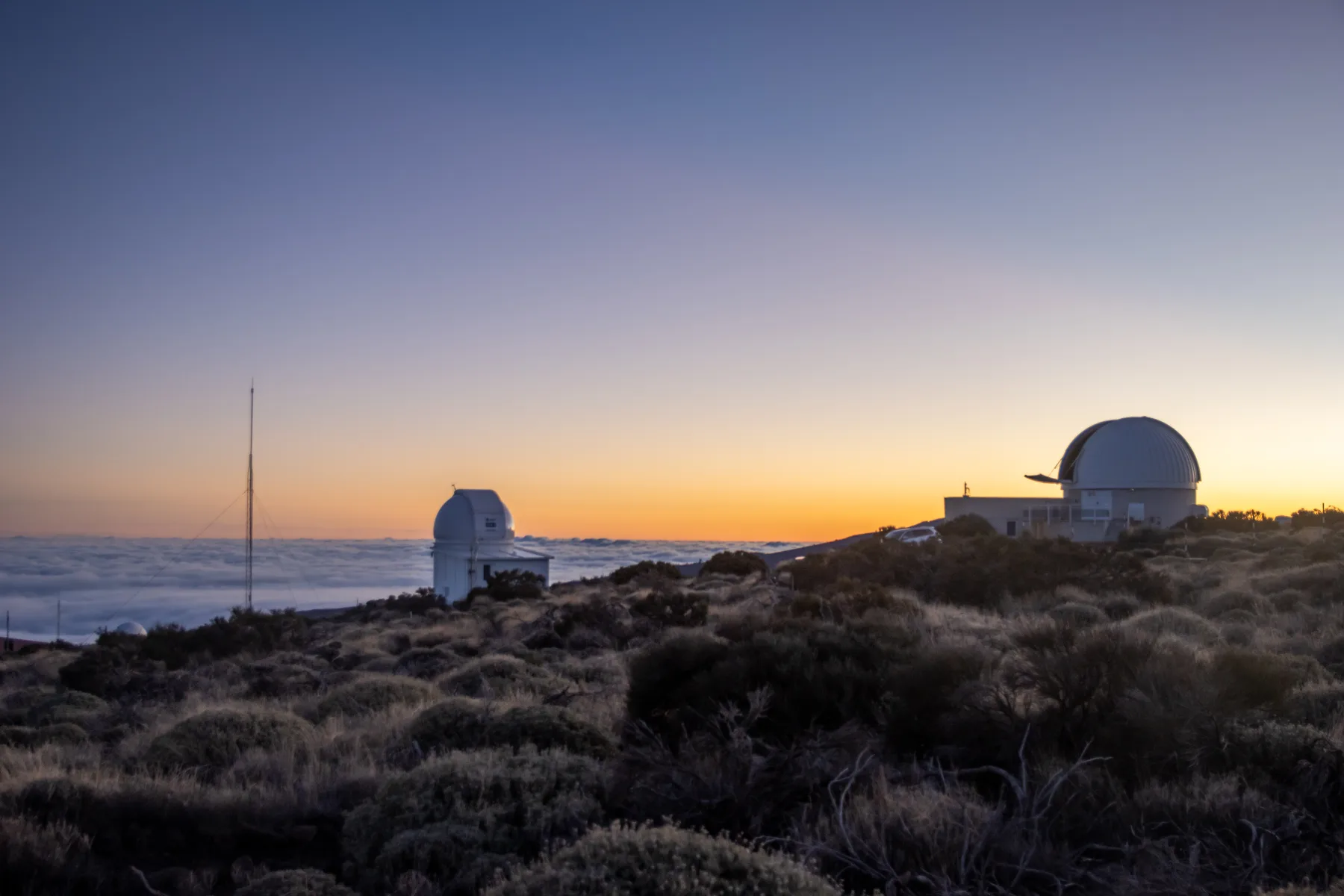
Run by the Instituto de Astrofísica de Canarias (IAC), it is one of Europe's most important professional observatories thanks to the quality of its sky. It is not part of the tourist night excursions — it organises its own daytime guided visits — but its white domes are part of the landscape on any night route through the area.
Three things to sort out before setting out.
Duration, season and what to bring.
Depending on the excursion — includes transfer, talk and observation.
The sky is good all year; the dry months usually have fewer clouds.
Most excursions include a guide and the use of professional telescopes.
Operators usually accept children, although the cold and the length may be tough for the youngest.
Especially in summer and on long weekends, when places sell out fast.
To photograph stars you need a tripod and a camera with manual mode.
It is the certification recognising the exceptional quality of the night sky of Teide National Park and the Cumbres de Tenerife, also protected by the Canary Islands Sky Law since 1988 — the world's first regulation designed to curb light pollution.
Between two and five hours in total, depending on the operator, including transfer, the talk about the sky and about 45–60 minutes looking through a telescope.
The cable car doesn't run at night, so the summit isn't accessible on the usual night excursions — observation takes place from viewpoints and access areas within the park. See the Teide guide →
Yes, especially in high season — places on guided excursions are limited and sell out easily in summer and on long weekends.
A coat, hat and closed shoes: at night and above 2,000 metres the temperature drops a lot, even in summer.
The IAC's professional observatory organises its own daytime guided visits, separate from the tourist night-time stargazing excursions.
Photo of the Milky Way over Teide: Curd-Christian Tengeler, Wikimedia Commons (CC BY 4.0) · Photo of a night-time telescope: StudentAstronomyGroupUoC, Wikimedia Commons (CC BY-SA 4.0) · Photo of the Teide Observatory: Mike Peel, Wikimedia Commons (CC BY-SA 4.0) · Photo of Teide by day: Bejan Neculai, Wikimedia Commons (CC BY-SA 4.0)